Signing you in...

Please wait while we verify your authentication

Article · Tuesday, August 4, 2026

HR and future of work · Industry brief

Top three stories shaping HR and future of work today, written for someone who already works in the industry: regulation, M&A, new entrants, notable filings, and any precedent worth pulling. Cite the trade publication (e.g. trade press, government source, court docket) directly so I can follow up.

By Marius BongartsBusiness21 editions
← See today's latest
Editions
5 / 21
Generated by AI overnight from public sources, refreshed daily.
HR and future of work · Industry brief
Tuesday, August 4, 2026
HR and future of work · Industry brief

NYC paid leave expands, immigration enforcement tightens

1 min read

NYC protected time off rules

New York City just rewrote its leave rules retroactively.

The Department of Consumer and Worker Protection finalized amendments to the Earned Safe and Sick Time Act on July 23, expanding protected reasons to include domestic violence, stalking, human trafficking, workplace violence, and disaster response [Quelle: SHRM]. Employers now must provide 32 hours of unpaid protected time at hire and at year start. The rules also mandate paid prenatal leave and flip the default: employers give paid hours first unless employees ask otherwise.

Compliance costs spike—especially recordkeeping and the new post-employment disclosure requirement.

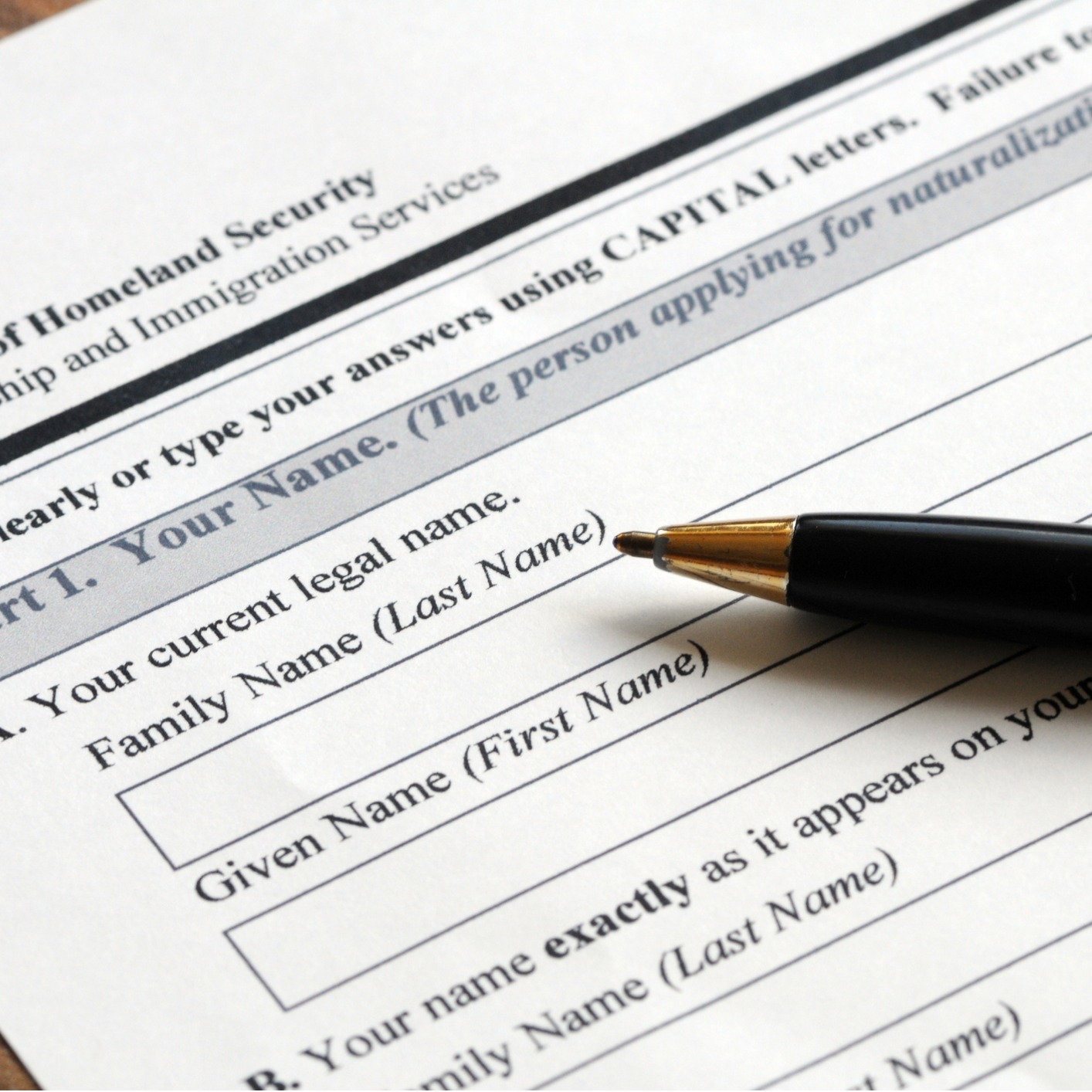
Immigration enforcement and I-9 audits

HR teams face a compliance storm on immigration work authorization.

The Department of Homeland Security terminated Temporary Protected Status for approximately 300,000 workers across Venezuela, Haiti, El Salvador, and seven other countries, effective July 27 [Quelle: Foley & Lardner]. ICE has expanded I-9 audits and worksite investigations; employers now face fines of $288 to $2,861 per form for technical errors. The J-1 and F-1 visa programs were capped at four years, cutting the Optional Practical Trainee pipeline.

Internal I-9 audits before government inspection are now table stakes.

Sources
NYC DCWP Finalizes Rules Expanding Employer Leave Obligations
24 hours ago ... The latest HR news, legal updates, and leadership perspectives. ... Related Content. (opens in a new tab). News · How One Company Uses Digital Tools to Boost ...
shrm.org
AI Summary

On June 23, 2026, the New York City Department of Consumer and Worker Protection finalized amended rules implementing the Earned Safe and Sick Time Act (ESSTA), effective July 23, 2026. Local Law 145 of 2025 expanded protected time off reasons to include domestic violence, stalking, human trafficking, workplace violence, and disaster response; requires employers to provide an additional 32 hours of immediately available unpaid protected time off upon hire and at calendar year start; and codifies paid prenatal leave obligations. The final rules replace "safe/sick time" terminology with "protected time off" and establish that employers must provide paid protected time off before unpaid hours unless employees request otherwise. Key compliance changes include new post-employment disclosure requirements mandating employers provide former employees written statements within one week of final payday detailing accrued, used, and available protected time off (paid and unpaid separately) and prenatal leave balances. Employers must reinstate unused unpaid protected time off for employees rehired within the same calendar year. Recordkeeping obligations now require differentiation between paid and unpaid protected time off on pay statements. Violations carry civil penalties of $500 per affected employee per calendar year, with relief including application of accrued hours and unpaid leave credits.

Visit source
Workplace Immigration in Upheaval: Compliance Essentials for HR ...
19 hours ago ... Labor & Employment Law Perspectives. Workplace Immigration in Upheaval ... The administration has also introduced policy changes affecting legal immigration ...
foley.com
AI Summary

Recent U.S. immigration policy changes are creating significant compliance obligations for HR professionals. The Department of Homeland Security terminated Temporary Protected Status for nationals of Venezuela, Haiti, El Salvador, Honduras, Nicaragua, Nepal, Sudan, and other countries, with an estimated 300,000 workers losing work authorization effective July 27, 2026. The Trump administration announced changes to J-1 and F-1 visa programs capping student stays at four years, affecting Optional Practical Trainee pipelines. Immigration and Customs Enforcement has expanded I-9 audits and worksite investigations, with employers facing fines of $288 to $2,861 per form for technical errors. U.S. Citizenship and Immigration Services has increased scrutiny of visa petitions with higher volumes of Requests for Evidence. HR teams must conduct internal I-9 audits to identify errors before government inspection, verify affected employees have obtained alternative work authorization or terminate employment, ensure consistent I-9 policy application to avoid discrimination claims, and prepare more robust documentation for H-1B sponsorships. These developments are subject to ongoing litigation that could alter implementation timelines. Source: Foley & Lardner LLP insights publication.

Visit source
Compiled overnight by MorningMail.aiDelivered at 03:35 PM